
Check St. Mary Parish Criminal History
Define the question before searching. Current custody belongs in the sheriff or city roster. A filed prosecution belongs in the court docket and clerk file. Your own fingerprint-linked Louisiana record belongs with State Police BCII. State imprisonment belongs in the corrections locator. Bring exact spelling, aliases, date of birth when the official channel permits it, incident or booking number, and an approximate date.
- Search the SMPSO Current and Released roster views for recent parish custody, or the correct city detention roster.
- Record the booking number, arresting agency, date, and displayed charge without treating the allegation as a conviction.
- Open St. Mary Clerk Verdict Criminal ESearch after filing delay and match parish, case number, spelling, and court division.
- Order the charging instrument, minute entries, judgment, or sentencing order from the clerk, and request the underlying report from the investigating agency.
- Use BCII Right to Review for your own statewide history and request certification only when the receiving authority requires it.
| Question | Official Channel |
|---|---|
| Who is held or recently released? | SMPSO or applicable city roster |
| What did police report? | Investigating sheriff, city, state, or tribal agency |
| What was filed and decided? | St. Mary Clerk or the city court that heard it |
| What does Louisiana report about me? | BCII fingerprint-based Right to Review |
St. Mary Sheriff Record Channels
The St. Mary Parish Sheriff’s Office website connects readers to roster, reports, jail, Most Wanted, forms, contact, and mobile-app functions.
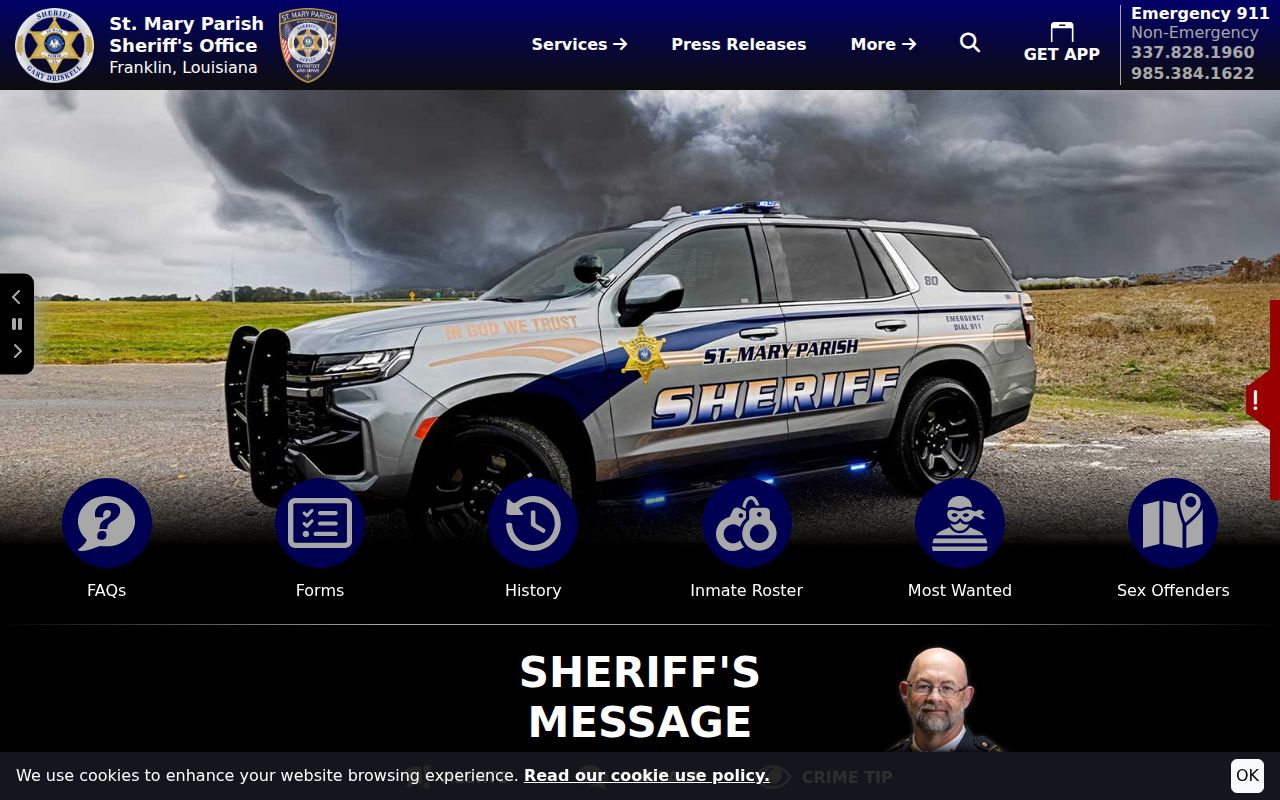
Sheriff headquarters is at 500 Main Street, fourth floor, Franklin, with 337-828-1960. The Morgan City branch at 1455 Railroad Avenue uses 985-384-1622. Administrative hours are weekdays, 8:30 a.m. to 4:30 p.m.; those two non-emergency numbers remain available around the clock. Ask which division owns the desired report before submitting a request.
Ordinary sheriff criminal and traffic reports usually become available seven to ten days after the incident. Request them at the courthouse fourth floor or mail SMPSO, ATTN: Records, P.O. Box 571, Franklin, LA 70538. Provide the involved person’s name, incident date, or report number. If Morgan City, Franklin, Patterson, State Police, or tribal police investigated, request the underlying report from that agency instead. SMPSO may hold only the booking layer.
St. Mary Parish Sheriff
Agency reports, parish roster, jail information, and sheriff public records.
St. Mary Parish Clerk
16th JDC criminal indexes, filings, judgments, and certified court copies.
Louisiana State Police BCII
Fingerprint-linked state repository records and correction challenges.
Official Louisiana Background Checks
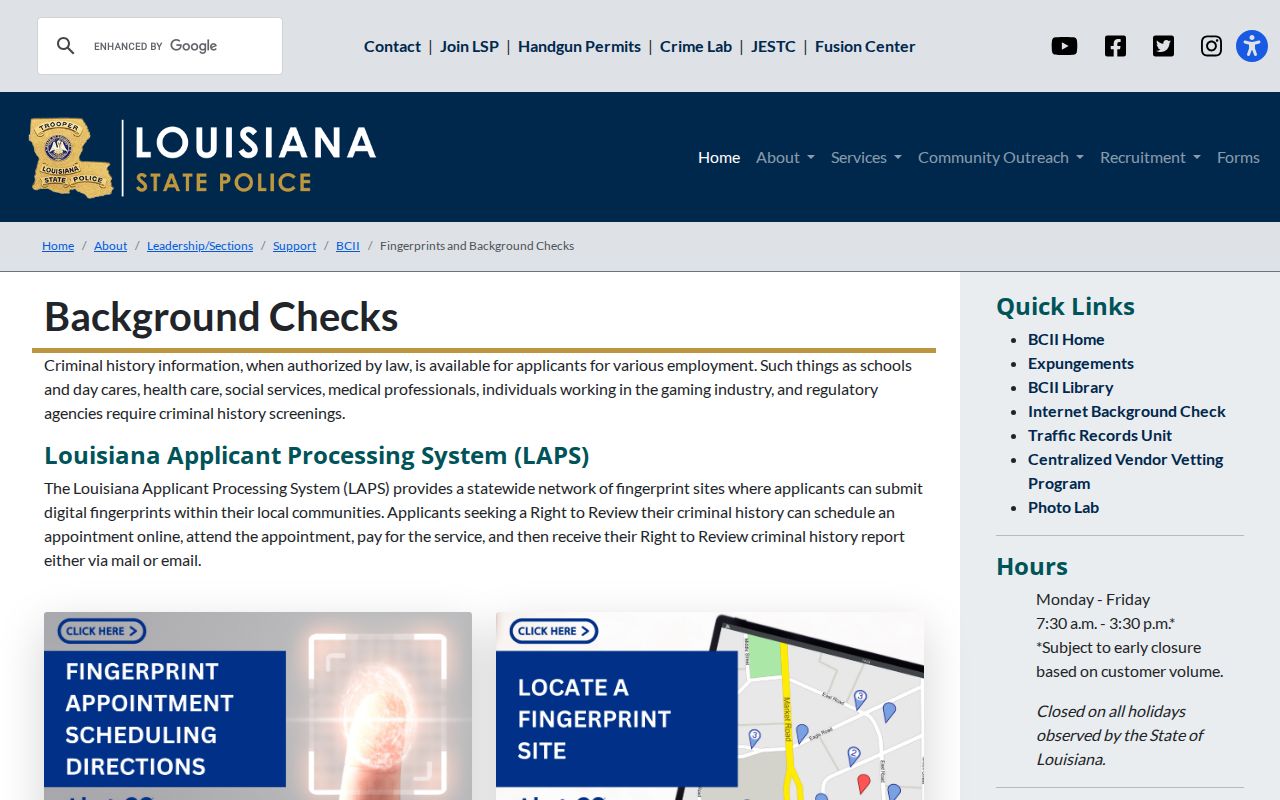
Louisiana does not provide an unrestricted public pay-per-name conviction portal. The official self-review route is the Louisiana State Police Bureau of Criminal Identification and Information Right to Review. The ordinary fingerprint channel is LAPS through the statewide IdentoGO network. LSP headquarters no longer accepts walk-in fingerprint applicants.
The LSP fingerprints and background-check page controls current enrollment instructions.
Right to Review is for the subject’s own Louisiana repository history and includes a correction path under R.S. 15:588. Statutorily authorized agencies use separate applicant channels. Anyone physically unable to use LAPS should follow LSP’s published fingerprint-card and authorized-representative procedure instead of improvising a mail packet.
Prepare a BCII Right to Review
Download fresh forms from the Louisiana State Police forms page, because identity fields, payment instructions, and delivery options can change.
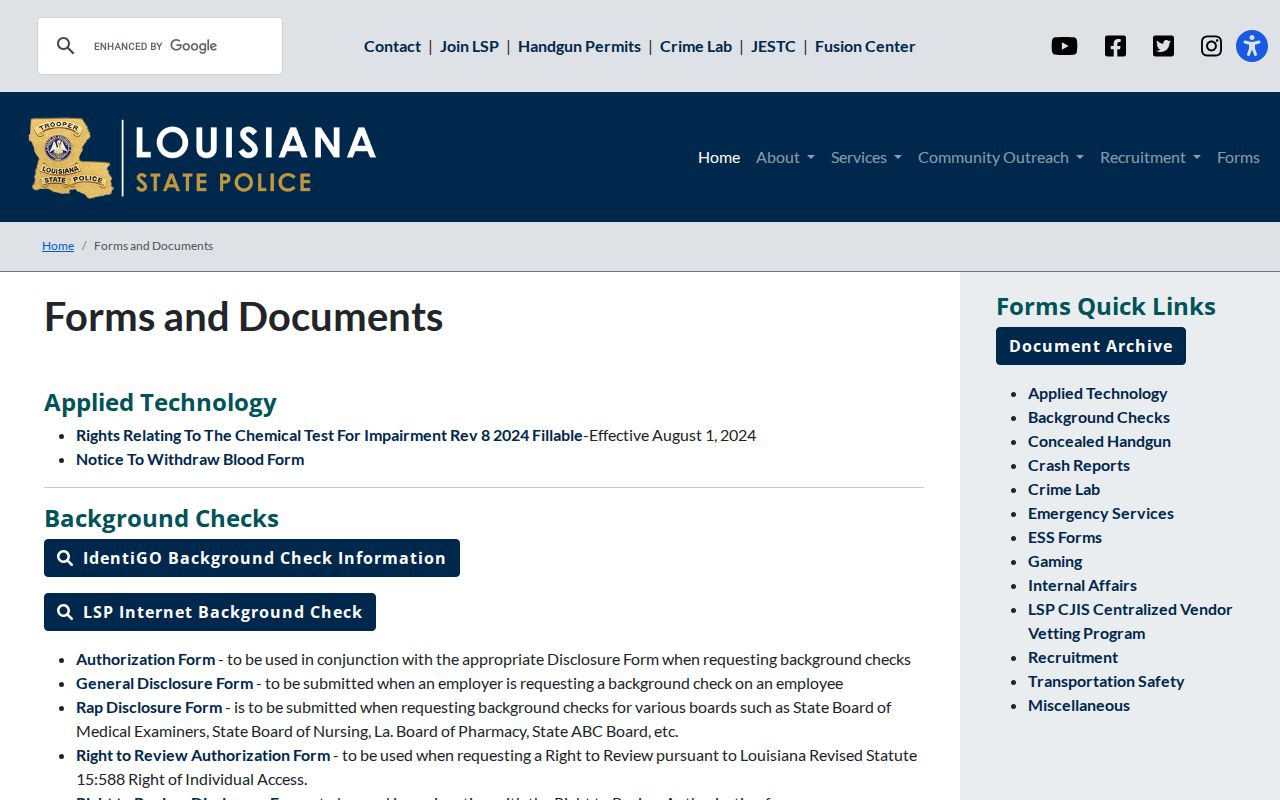
The process uses fingerprints rather than a casual name search. Follow the current authorization and rap-disclosure forms, identification requirements, fingerprint instructions, and fee shown by LSP or the enrollment site. Printed or secure electronic delivery may be available through the current enrollment path. A repository challenge corrects inaccurate information. It is different from expungement, which restricts public access to an accurate qualifying record through a court process.
St. Mary Parish Criminal Record Types
Each record is created for a different government function. Using its exact name helps the custodian locate it and prevents a booking allegation from being confused with a judicial outcome.
- Incident or offense report
- The investigating agency’s narrative and evidence index; it may exist without an arrest.
- Arrest and booking records
- The arresting officer records grounds and details, while the receiving jail records intake, charges, fingerprints, photograph, bond, and custody.
- Criminal court file
- The clerk’s docket, charging instrument, minutes, motions, judgment, and sentence for a filed prosecution.
- BCII criminal history
- A state repository compilation linking fingerprint-supported arrest cycles with dispositions agencies report.
- Warrant and corrections records
- The issuing court controls warrant process; DPS&C controls state imprisonment and supervision information.
St. Mary Clerk’s Two-Layer Search
The St. Mary Parish Clerk of Court is the source for 16th JDC criminal filings, docket events, judgments, and certified copies.
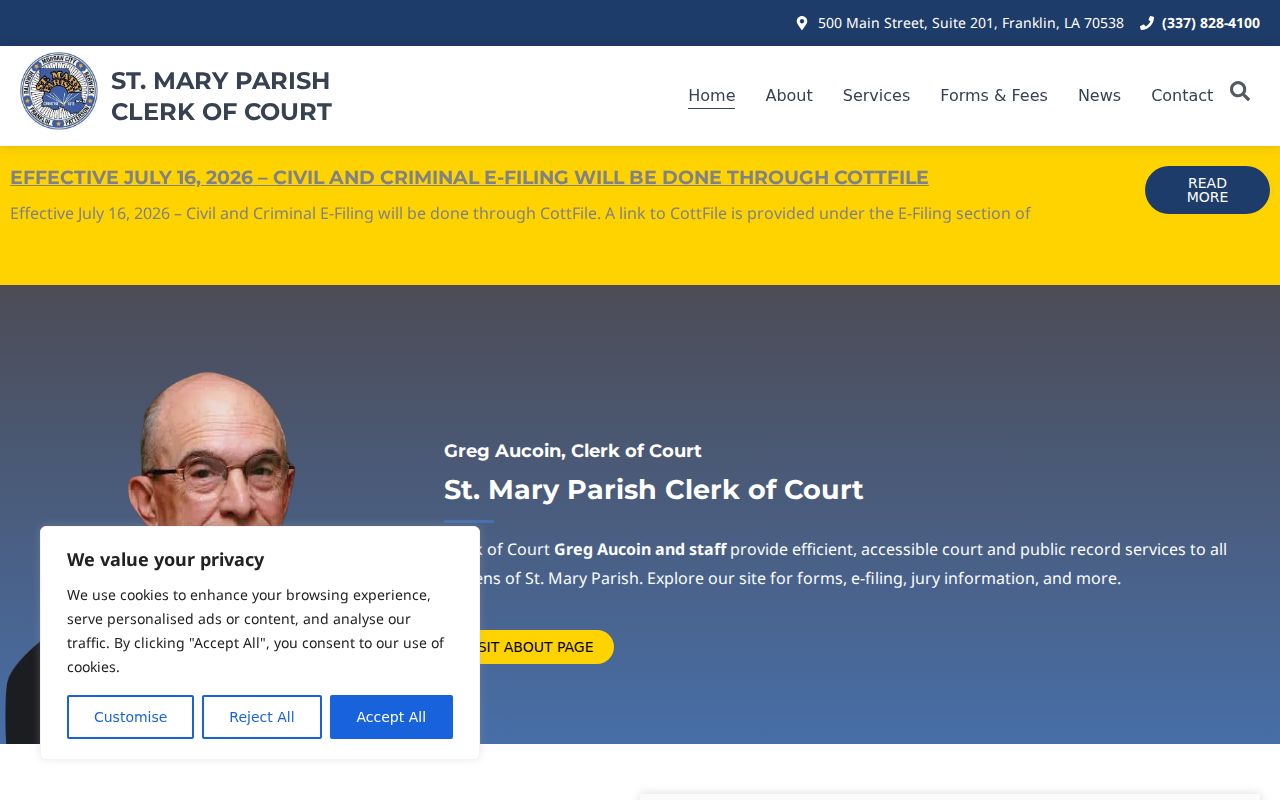
Its Cott Systems ESearch provides a Verdict Criminal index and docket history, but no pleading images. An online hit is a finding aid, not the official file. Searchers must order the bill of information or indictment, minutes, disposition, judgment, and sentencing order from the clerk when those documents matter. The courthouse is at 500 Main Street in Franklin, but sheriff records on the fourth floor remain a different custody.
| Portal | Cott Systems ESearch, Verdict Criminal database |
|---|---|
| Search Value | Strong name or case identifiers, then parish and division verification |
| Online Result | Index and docket history only; no filed-document images |
| Official Copy | Order from the clerk and request certification only when needed |
St. Mary Parish Record Contents
A complete criminal-history review reconciles identifiers and event fields across sources. Names, aliases, date of birth, physical descriptors, and fingerprint or state identification numbers help distinguish people. Arrest date, agency, report number, booking number, and initial charges identify an arrest cycle. Court case number, filed charge, plea, disposition, judgment, and sentence establish what followed.
| Name & Identifiers | Names, aliases, birth data, physical descriptors, and fingerprint-linked identifiers as law permits. |
|---|---|
| Arrest / Booking Data | Agency, dates, report and booking numbers, custody, bond, and intake allegations. |
| Charges & Statutes | Booked and later filed offenses, which may differ. |
| Disposition | Dismissal, plea, conviction, acquittal, or other court outcome. |
| Sentence | Custody, probation, fine, conditions, or other judicial order. |
| Custody / Supervision | Local jail, state imprisonment, probation, parole, release, or transfer status. |
Data flows in stages. The arresting officer produces an incident or arrest report. On custodial arrest, the jail adds fingerprints and booking information. BCII can receive that fingerprint-supported cycle. The district attorney then chooses what to file, if anything, and the clerk creates the judicial file. Later court disposition information may return through state systems. Missing identifiers, reporting delay, or an unreported disposition can leave the statewide compilation incomplete, which is why the source document and BCII correction procedure both matter.
The 16th JDC Is Three Parishes
The 16th Judicial District Court website covers St. Mary, Iberia, and St. Martin parishes.
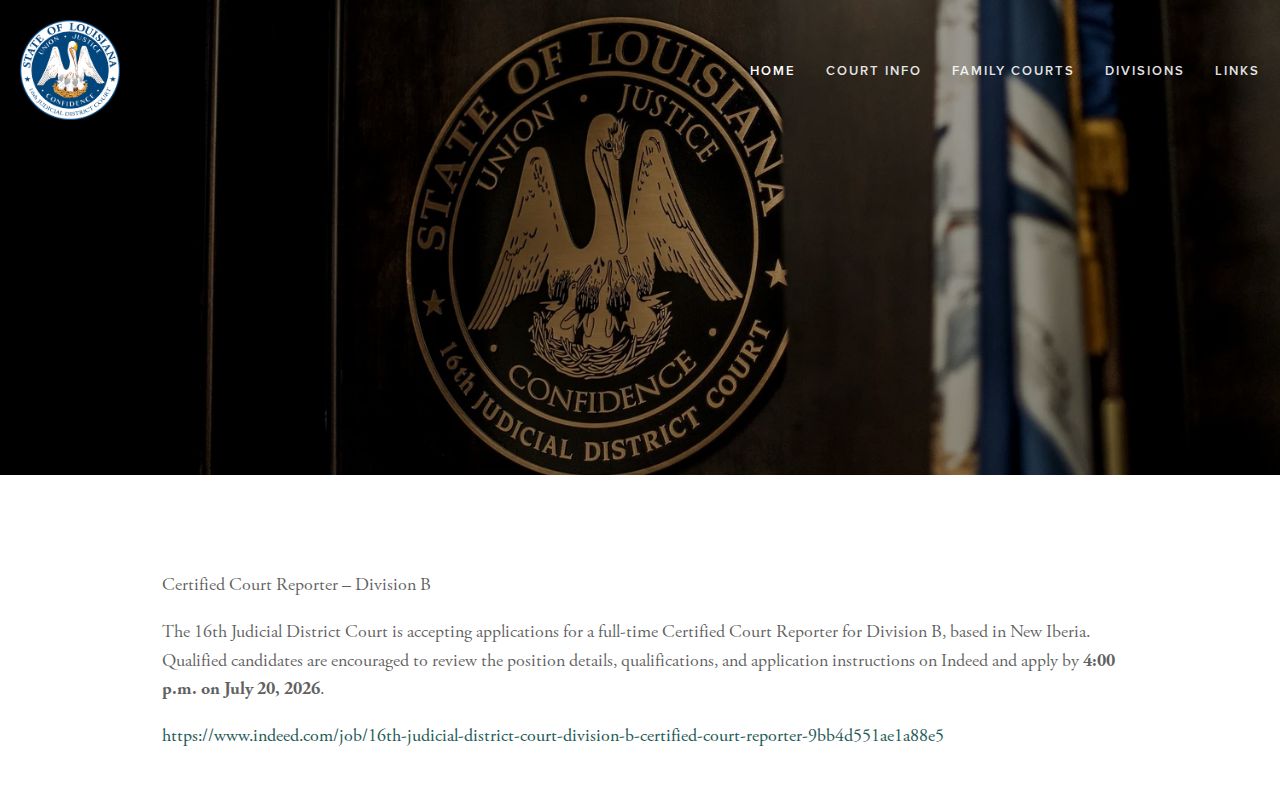
A “16th JDC” label alone does not prove that the St. Mary Clerk in Franklin holds the file. Confirm filing parish, case number, division, and clerk. Morgan City and Franklin city courts maintain matters within their statutory jurisdictions. Patterson matters may route through its local arrangement or the district court. Records remain with the court that heard the case.
The district attorney decides whether and what state charge to file after reviewing a referral. That filed charge can differ from the label shown at booking. An arraignment, plea, motion, trial setting, dismissal, judgment, and sentencing entry appear as separate docket events. Read the sequence rather than lifting one line out of context. For a definitive outcome, request the judgment and relevant minutes from the court custodian. The sheriff cannot certify a judicial disposition, and an online docket index cannot replace the official case file.
St. Mary Parish Public Access Laws
Louisiana Public Records Law permits inspection and copying subject to exceptions. A focused request should name the incident, agency, date range, report or booking number, desired format, and separable public portions. Active-investigation details, confidential sources, security material, juvenile records, victim data, medical content, and other protected information can require withholding or redaction.
Key Statutes:
R.S. 44:1 et seq. establishes Louisiana’s public-record access framework.
R.S. 44:3 protects specified criminal-investigation and law-enforcement material.
R.S. 44:35 provides a judicial remedy after an unlawful denial.
R.S. 15:587 governs dissemination of Louisiana criminal-history information.
R.S. 15:588 supports personal review and correction of repository information.
Centerville’s Regional Jail Role
The official St. Mary Parish Law Enforcement Center page describes the Centerville facility and its regional role.
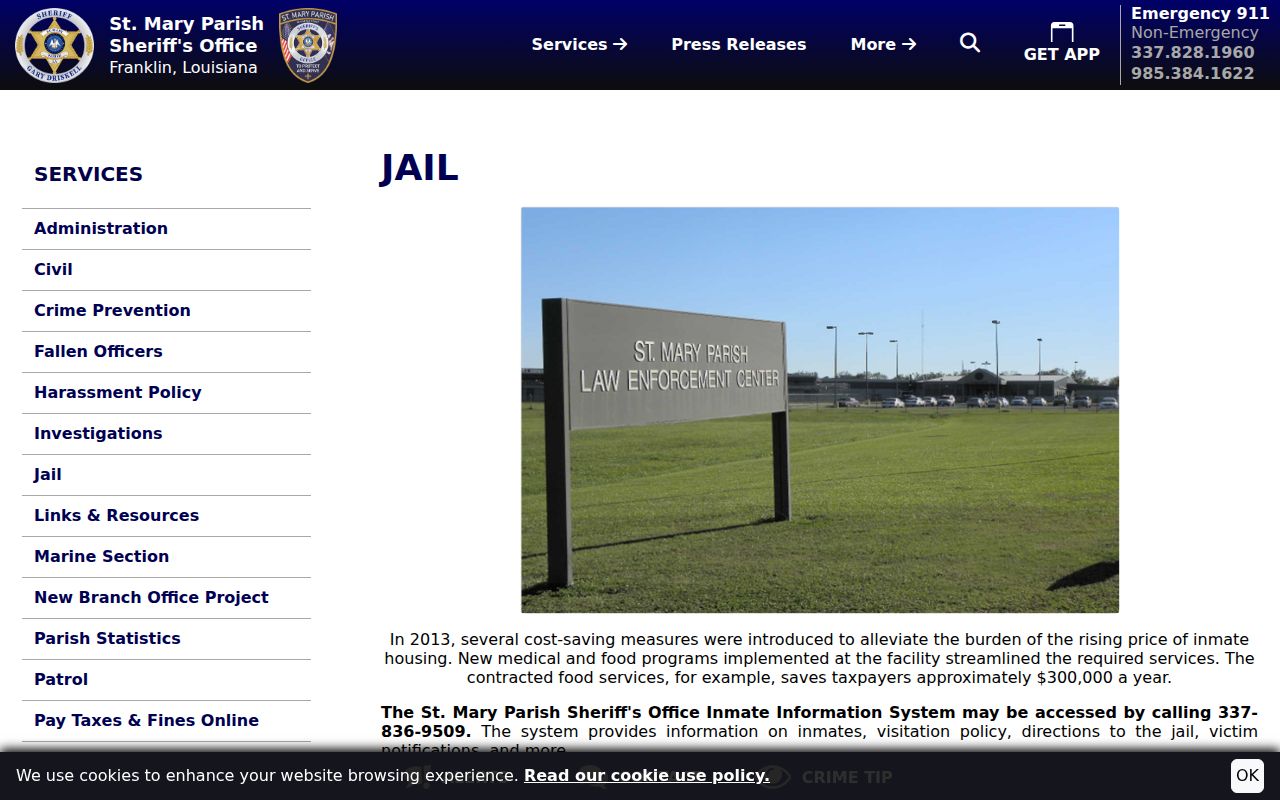
The jail has an approximate capacity of 320 and houses people for parish, municipal, and tribal agencies, plus some Louisiana DOC prisoners. Thus, a roster entry is not necessarily a sheriff arrest. Search Current and 48-hour Released views, record the arresting agency and booking number, then request the police report from that agency. Call 337-836-9509 for current inmate information and changing visitation, mail, phone, and deposit instructions.
Booking ordinarily involves transport, identity and warrant checks, property inventory, medical and mental-health screening, fingerprints, a photograph, charge entry, classification, housing, and bond or first-appearance processing. The public profile exposes only selected identity, custody, charge, bond, and release fields. Medical, classification, and security records are not general roster content. A profile can disappear after release or transfer, while the underlying arrest report and any later court file remain with their respective custodians.
St. Mary Record Access Costs
Costs belong to the specific product. Confirm estimates before ordering a large file, and distinguish inspection from copies and certification.
| SMPSO report copy | $5 per report; cash, check, or money order; normally available 7–10 days after incident. |
|---|---|
| Clerk ESearch | $20 one day, $125 thirty days, $400 six months, or $750 one year. |
| ESearch printing | $2 per page, plus card surcharge of $0.49 and 3.49%. |
| MCPD report | $10 each, money order only; no cash. |
| Expungement | Statutory components can total up to $550, subject to exemptions or waivers. |
BCII, fingerprint enrollment, clerk certification, and city-court fees should be taken from current official instructions. Do not rely on an old fee sheet.
After the Parish Roster
The Louisiana DPS&C Imprisoned Person Locator covers people in state custody rather than local pretrial detention.
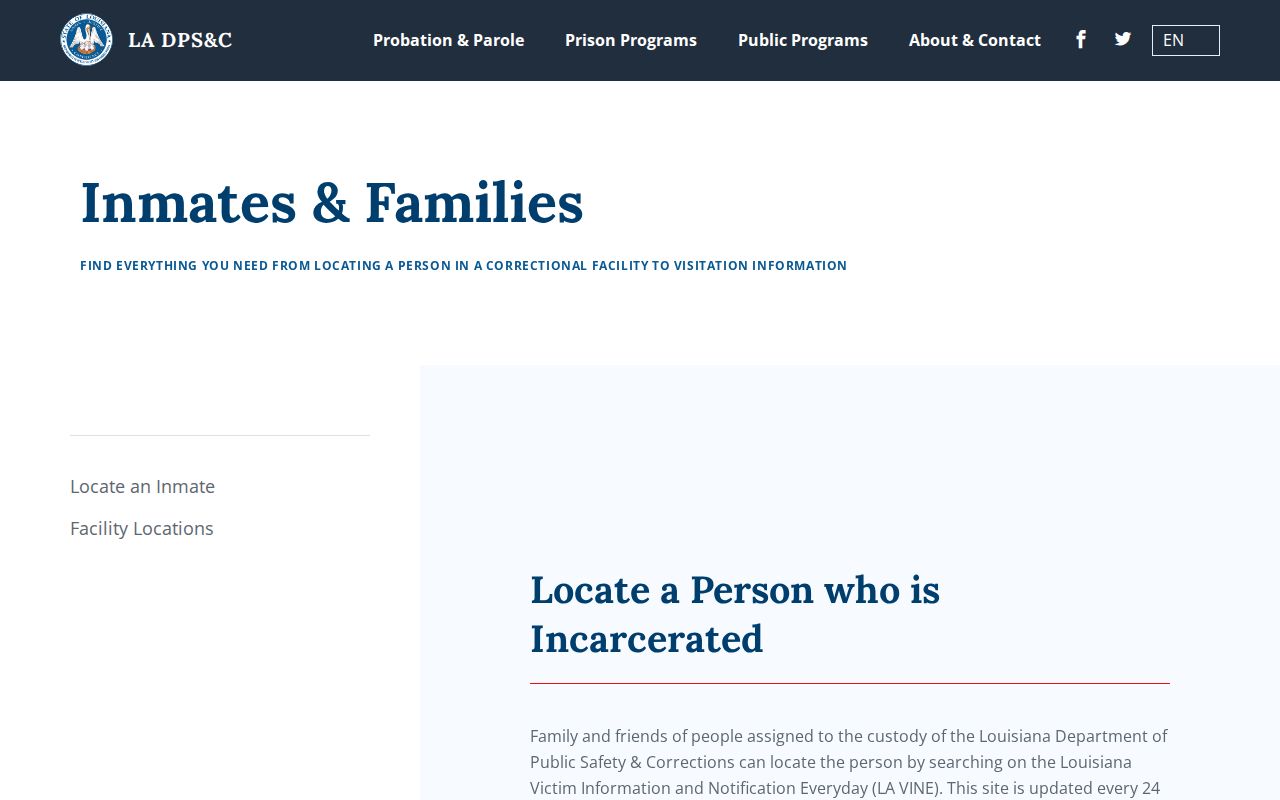
A person can leave the St. Mary roster after transfer, so absence from the local list does not establish release. Search DPS&C after sentence or state transfer. Adult probation and parole are also state-run; the New Iberia District serves St. Mary Parish. For the sentence itself, return to the court docket and judgment.
The Louisiana VINELink service supplies custody notifications.

VINELink is better suited to notification than repeatedly refreshing a jail roster. Confirm critical status directly with the holding agency because transfer and reporting times can differ.
Sealed, Expunged, Restricted Records
Louisiana expungement under Code of Criminal Procedure arts. 971 through 995 generally removes a qualifying record from public access without destroying it. Specified criminal-justice and licensing bodies retain statutory access. Dismissal under arts. 893 or 894 can affect eligibility, but a dismissal does not automatically erase every arrest, jail, court, or repository entry.
Juvenile, sealed, victim, medical, and active-investigation records have separate restrictions. A missing public result can reflect restriction, indexing delay, transfer, or a search mismatch. Correcting inaccurate BCII data uses the administrative challenge route. Restricting an accurate eligible record uses the court expungement process.
Start an expungement inquiry with the court that handled the case and the current statutory forms. The process may require certified minutes, disposition records, prosecutor and agency service, fingerprint or repository material, and separate fee components. Eligibility depends on the offense and procedural history. An expungement order is not a promise that every authorized criminal-justice or licensing recipient loses access.
Most Wanted Is Not All Warrants
The sheriff’s Most Wanted page publishes selected items, not a complete live warrant database.
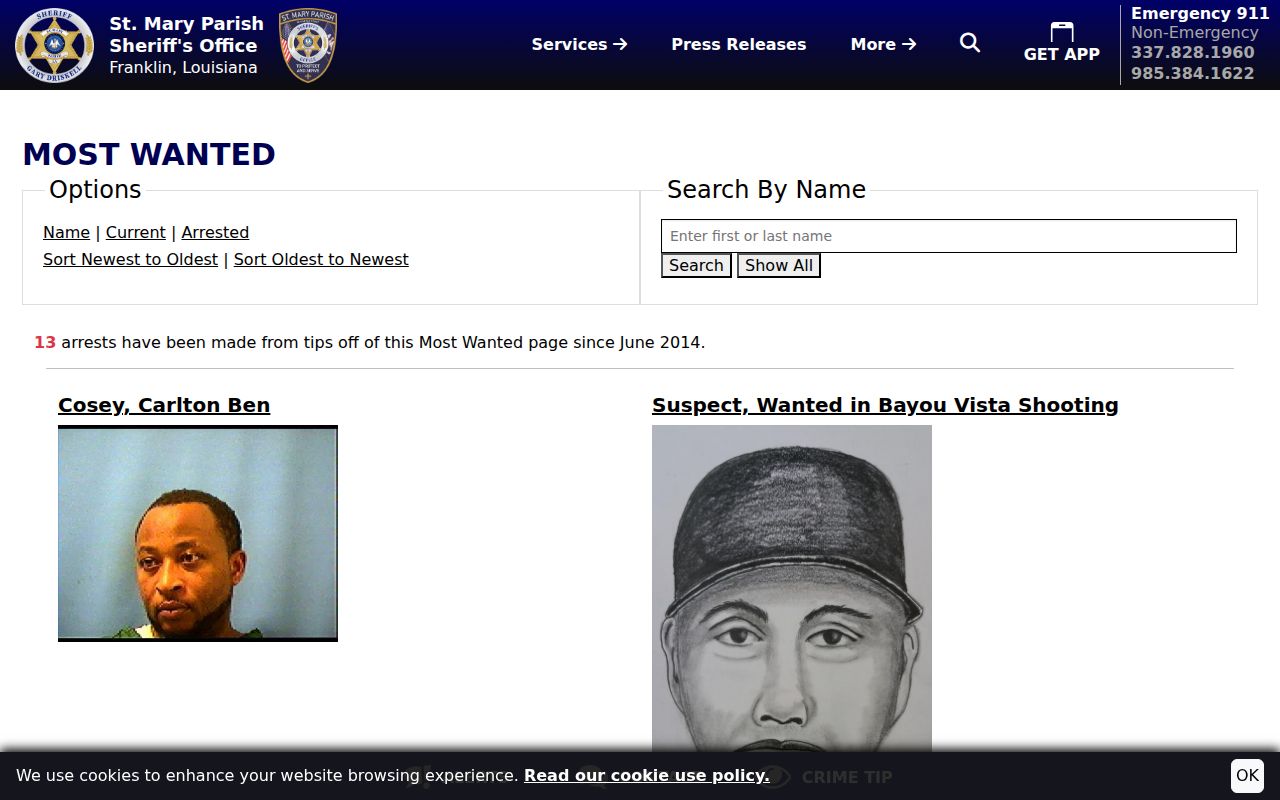
A blank search or absent name is not warrant clearance. Call 337-828-1960 or 985-384-1622 for sheriff warrant procedure and contact the issuing court for a bench warrant or capias. Morgan City and Franklin local warrants may not appear in a district-court search. Confirm case number, issuing court, identity-verification method, bond, and recall process through official channels.
Criminal Records by St. Mary City
Morgan City, Franklin, and Patterson have distinct police and local-court channels. Their police departments create city incident reports; parish or city facilities may create booking records; the correct city court or 16th JDC holds adjudication. Population rankings change, so the cards emphasize stable records roles rather than mixing estimates from different Census vintages.
The parish’s Gulf Coast and Atchafalaya geography helps explain these dispersed custodians. Morgan City is the east-parish hub and largest incorporated city. Franklin, though smaller, is the historic parish seat and courthouse center. Patterson sits along the U.S. 90 corridor and depends on a mix of city police, local process, parish custody, and district-court records. The Chitimacha Tribe adds a tribal and potentially federal jurisdiction layer. Always identify agency and court before assuming a parish office has the full record.
Morgan City Criminal History
The largest city has MCPD Records, its own detention roster, arrest releases, and City Court.
Franklin Criminal History
The parish seat combines Franklin Police and Third Ward City Court with nearby parish offices.
Patterson Criminal History
Patterson Police maintains a city roster and arrest archive, with local and 16th JDC follow-through.